
More than a Technology Partner
How Trusted Relationships Help Local Organizations Thrive
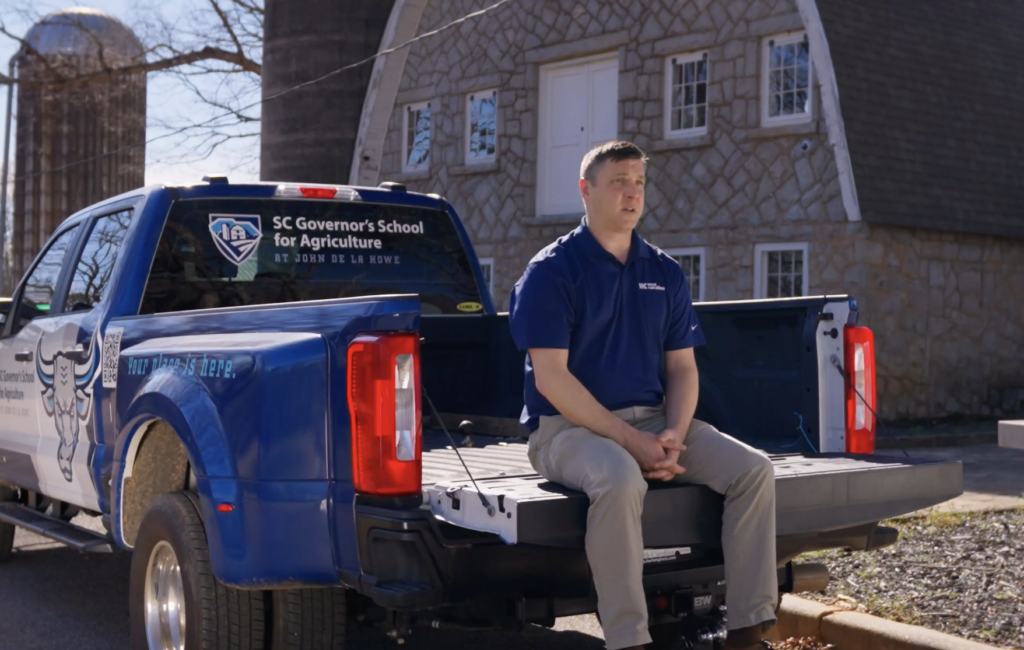
When the South Carolina Governor’s School for Agriculture at John de la Howe (SCGA or John de la Howe) began expanding its technology capabilities, it faced a challenge familiar to many organizations. Years of growth, evolving needs, and systems built by multiple providers had created an environment that was becoming increasingly difficult to manage and support.
Today, the school’s technology infrastructure supports everything from student research and classroom instruction to campus communications, security systems, and a growing veterinary program. The transformation didn’t happen overnight. It was the result of a strong partnership, a shared commitment to serving students, and the dedicated work of people who understand that technology is ultimately about helping people succeed.
One of those people is Dan English.
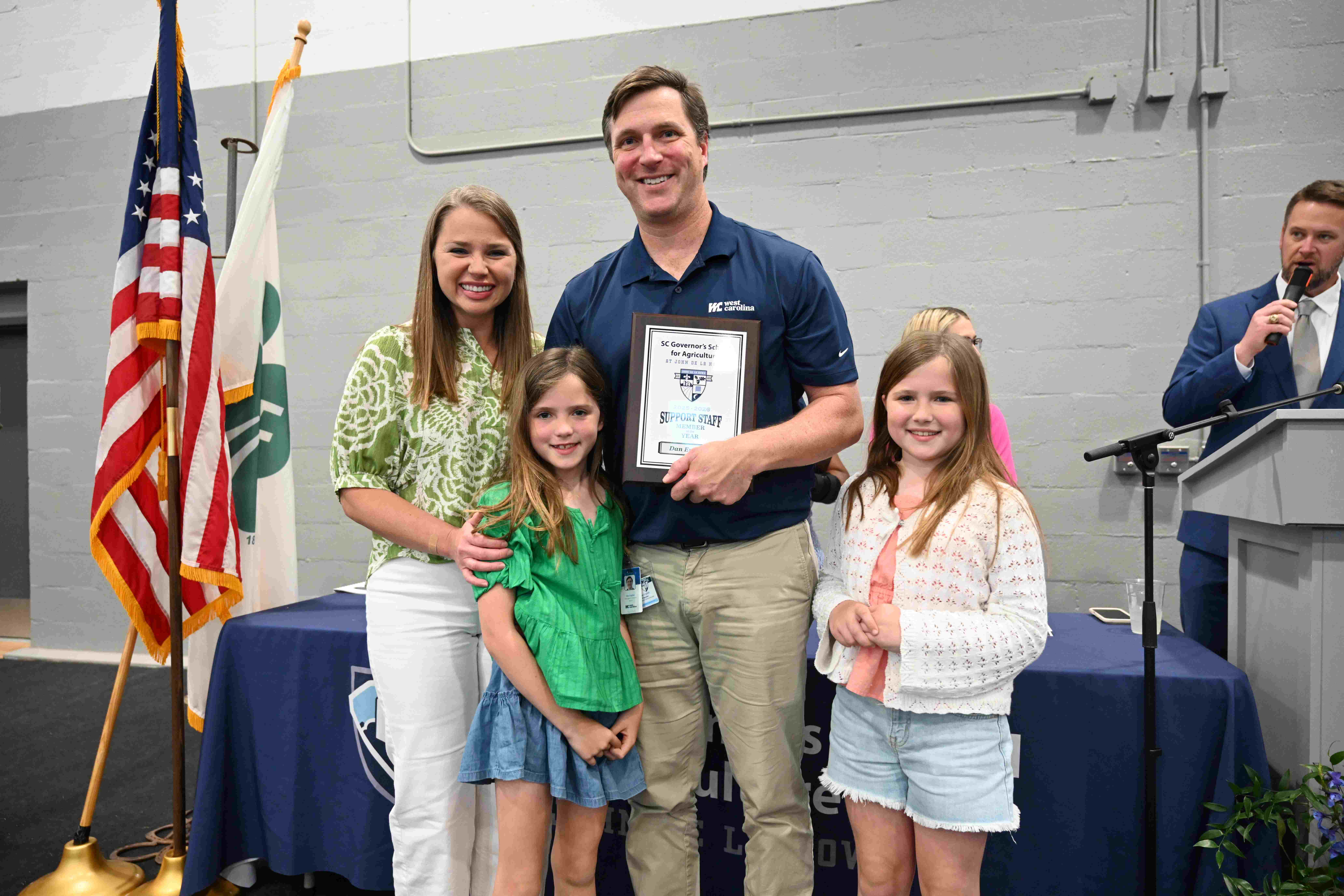
Recently, English, a Managed IT Technician with West Carolina, was named the SC Governor’s School for Agriculture at John de la Howe’s Support Staff Person of the Year. The recognition reflects not only his technical expertise, but also the relationship he has built and the impact he has made across the campus community.
“Our situation was less than ideal in the beginning,” said Eric McCall, a John de la Howe employee and West Carolina Board member. “In past years our network had been set up by a variety of outside contractors and companies.”
As the school evolved, West Carolina became increasingly involved in helping install fiber connectivity and establish a more reliable, sustainable network. As technology needs continued to grow, school leadership realized those needs were beginning to outpace what could reasonably be managed internally.
“Because of our relationship with West Carolina, it seemed like a natural fit to look into managed IT,” McCall said. “A meeting with Chuck Nash and his team led to one of the best decisions we’ve made for strategic development at the SCGSA.”
When English became the school’s primary on-site Managed IT contact, he quickly discovered opportunities for improvement.
“Working quietly and steadily, he systematically resolved one issue after another,” McCall said. “Very soon, news of his presence had spread and people in every department were reaching out to him for solutions.”
What began as troubleshooting individual issues soon grew into a larger effort to improve systems and processes across the entire place. Rather than simply responding to problems, English worked to identify patterns, develop scalable solutions, and help position the school for future growth.
“Often times he could group information about individual requests and develop solutions that we could roll out agency wide,” McCall said. “These solutions have been game changers for the agency as a whole.”
For English, the work has always been about supporting the people behind the technology.
“What I enjoy most is the people,” he said. “The faculty and staff genuinely care about the students and work incredibly hard to create opportunities for them, so it makes supporting their technology needs feel meaningful.”
During his time there, English has helped strengthen network infrastructure, improve Microsoft 365 collaboration tools, enhance cybersecurity practices, support classroom and event technology, and modernize day-to-day processes across campus.
“A big part of the work has simply been helping technology become more reliable so faculty and staff can stay focused on students,” he said.
That impact has been felt throughout the organization.
“When I became President of SCGSA in 2020, our IT department was one area I identified as needing a major overhaul,” said Dr. Timothy Keown, President of the South Carolina Governor’s School for Agriculture. “Partnering with West Carolina and Dan has been one of the most powerful decisions I’ve made in the last six years.”
For a school located in one of South Carolina’s most rural counties, reliable connectivity is essential.
“With our school located in the most rural county of SC, connectivity with parents is of utmost importance,” Keown said. “Also, since we are an agricultural school, we must have modern technology campus-wide for student research as well as our modern agricultural equipment.
Keown also credits English with making a positive impact on campus culture.
“Dan has boosted employee and student morale with his positive personality coupled with his real-world IT experience,” he said.
One example of that impact can be seen at the school’s new veterinary clinic, where English helped establish workstations and communication systems that allow staff and volunteers to better serve both students and the public.
“Dan has been incredibly helpful in setting up our workstations at the new Vet Clinic on campus,” said Dr. Julia Larson, Campus Veterinarian. “He has also been incredibly patient teaching our volunteers how to access our clinic email and phone messages remotely so we can communicate with the public from home and keep us all on the same page. Truly, he has been a lifesaver in this new adventure.”
As the partnership has matured, English’s role has evolved far beyond traditional IT support. Today, he serves on various committees and contributes to strategic planning efforts across multiple departments.
“Because of his calm demeanor and excellent work ethic, he has quickly become one of the most influential people in our agency,” McCall said.
That influence, combined with his dedication to serving others, led faculty and staff to select him as the school’s Support Staff Person of the Year, an honor awarded to individuals who make lasting contributions to the agency.
For English, the recognition is meaningful, but he sees it as a reflection of the many people working together to support the school’s mission.
“It means a lot, and I’m very grateful for it,” he said. “At the same time, I really see it as a recognition of team effort. I’m fortunate to work alongside great people who care deeply about the agency’s mission, and that makes it easy to want to go above and beyond.”
His perspective reflects the broader purpose behind West Carolina’s Managed IT services and the role technology plays in strengthening communities.
“In many of our communities, especially rural areas, dependable technology and connectivity can have a major impact on education, operations, and opportunity,” English said. “When technology works well, it allows schools and businesses to focus on serving people instead of fighting technology problems.”
As John de la Howe continues to grow and prepare the next generation of agricultural leaders, the partnership between the school and West Carolina remains focused on the same goal it has always shared: creating opportunities for students and supporting the people who help them succeed.
“To accomplish great things, it truly takes a team of dedicated individuals,” McCall said. “We are grateful that Dan and the great folks are West Carolina are on our team.”